
MobileApp Design
About this project
A great mobile app does not start with visuals, it starts with understanding. Before a single screen is designed, there needs to be a clear picture of who will use the app, what they need from it, and how they expect it to behave. This project brought NexCraft in to lead the full design process for a mobile application, working closely with stakeholders from the very beginning to ensure that every design decision was rooted in purpose rather than assumption. The client had a clear vision for what they wanted to build but needed a design partner who could translate that vision into a structured, user-friendly experience that would resonate with the target audience and hold up to real-world use.
How We Did This
NexCraft opened the engagement with a thorough discovery phase, collaborating directly with stakeholders to define the app’s core purpose, map out the target audience, and align on the features and functionality that mattered most. This was followed by in-depth research into user preferences and current industry trends to ensure the design would feel both relevant and intuitive to the people it was built for. With that foundation in place, the team moved into wireframing, sketching out the app’s layout, navigation structure, and interaction flow in a way that could be reviewed, challenged, and refined before any visual design work began. Prototypes were developed iteratively in Figma, with each round of feedback shaping the next version until the experience felt genuinely seamless. The reasoning behind this process was straightforward: getting the structure right before investing in aesthetics saves time, reduces costly revisions, and produces a far stronger end result.
What were the results
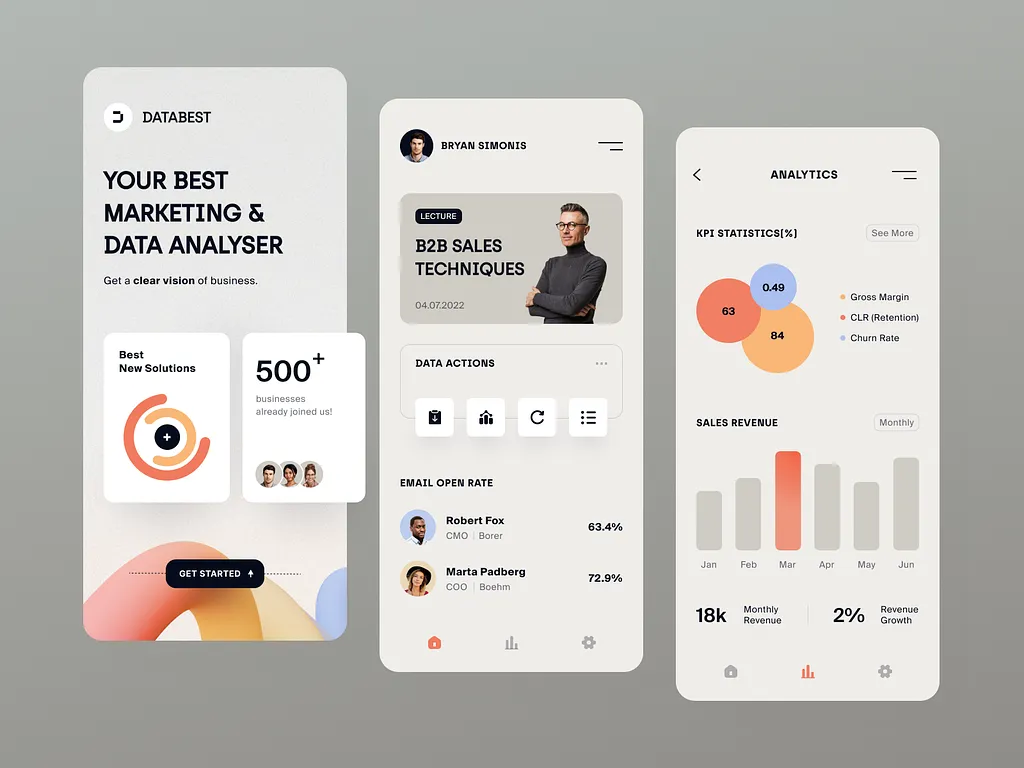
The project delivered a polished, high-fidelity mobile app design that reflected both the client’s vision and the needs of the end user. Stakeholders were aligned throughout the process thanks to the iterative feedback approach, which meant there were no surprises at the finish line. The wireframes provided a solid structural blueprint that the final design built upon with confidence, and the Figma prototypes gave the client a tangible, interactive representation of the product before a single line of code was written. The design was structured for clarity, built for usability, and presented in a format ready to hand directly to a development team. The project stood as a strong example of what happens when research, collaboration, and design craft work together from day one.